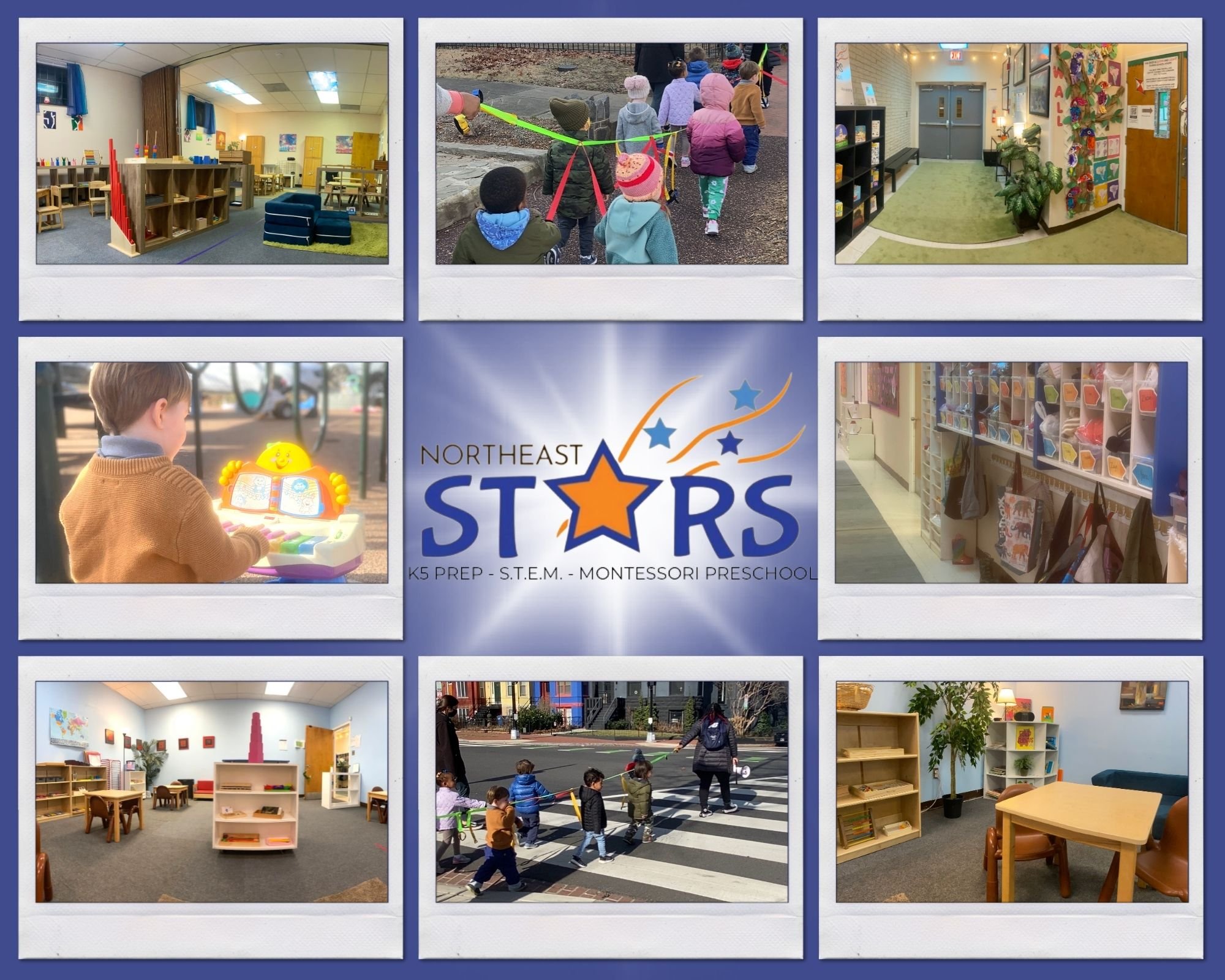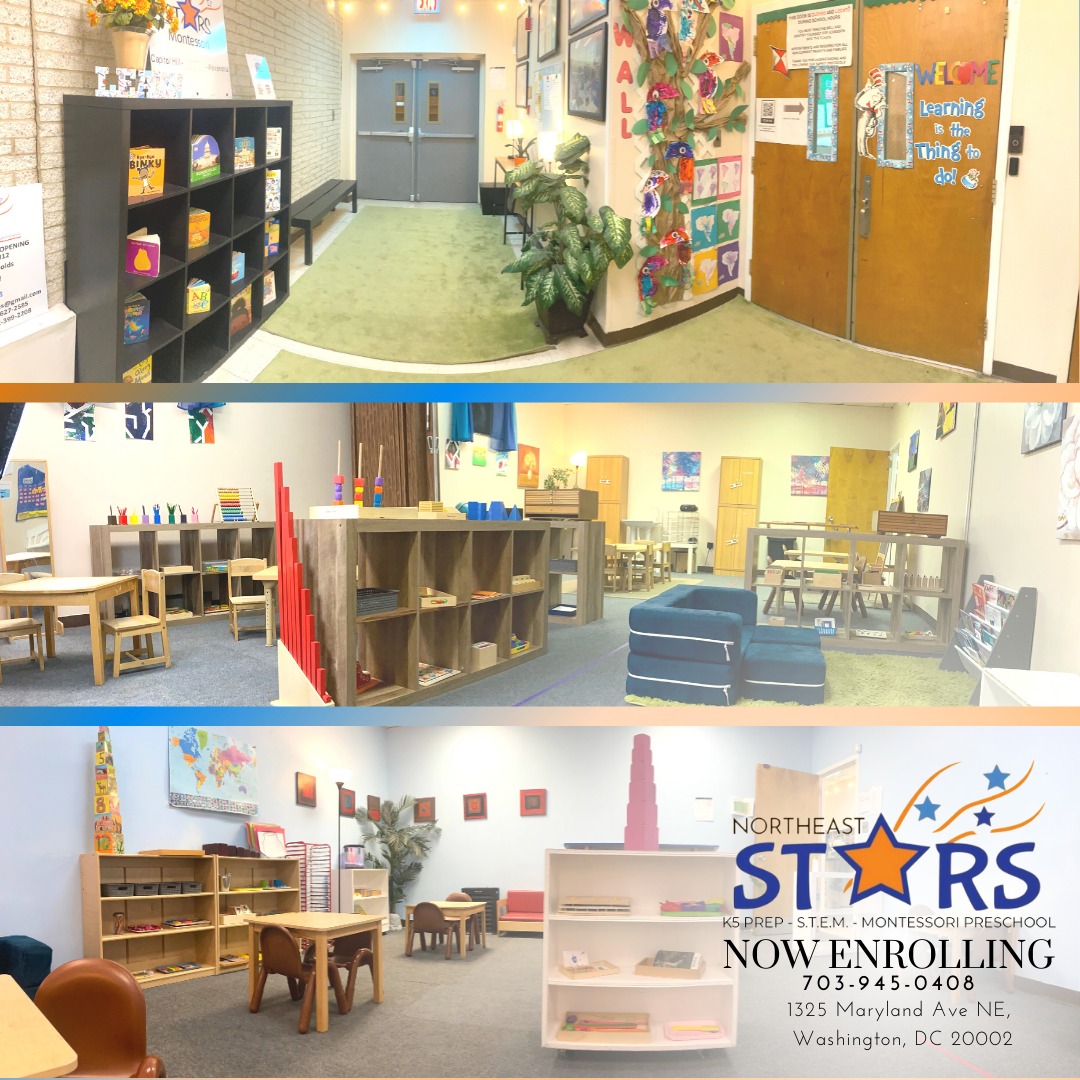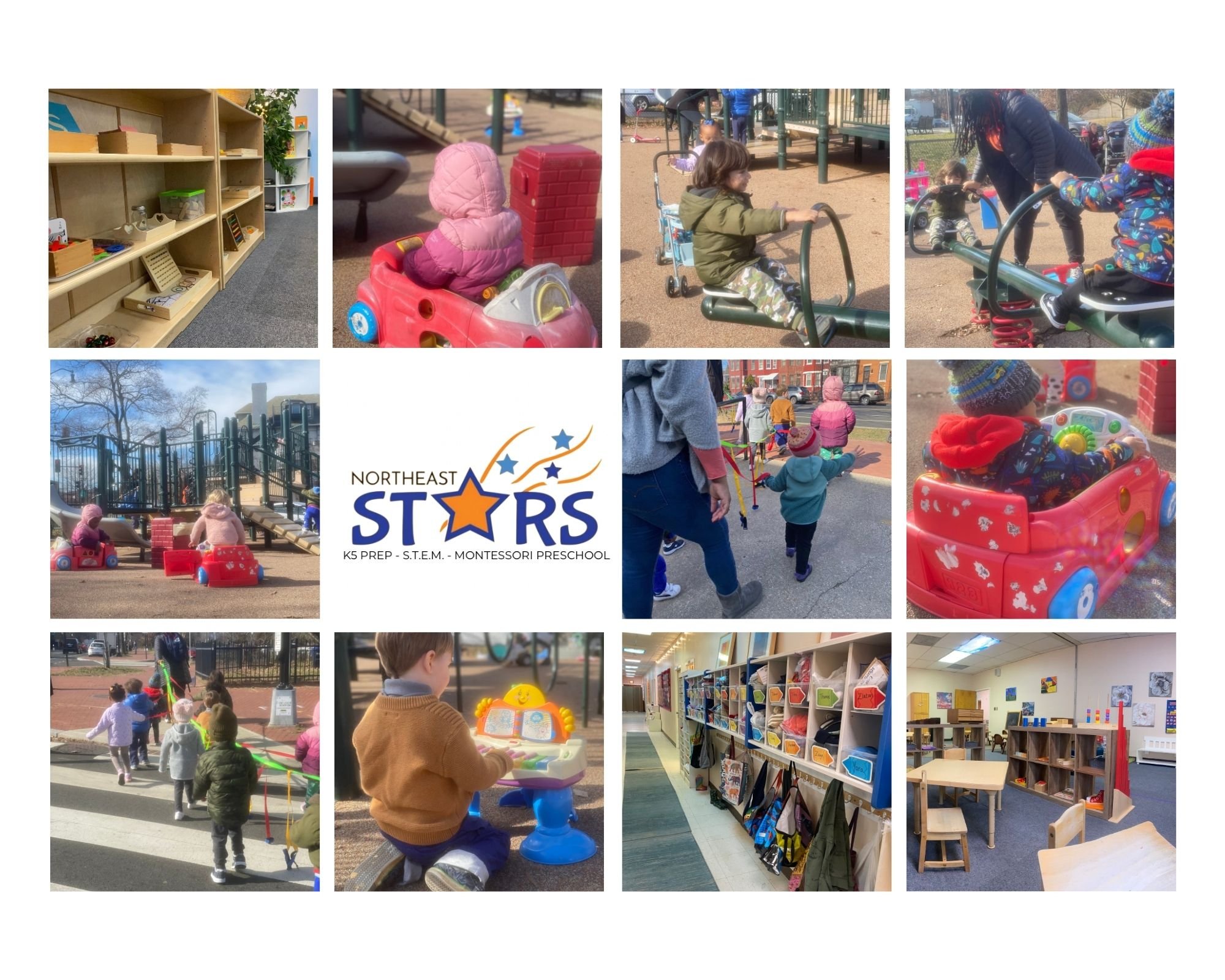
Welcome to Northeast Stars Montessori


Our Mission


To foster a love of learning in an optimum Montessori educational environment, to enable each child to realize his or her richest potential and to become an independent, self-motivated and contributing member of the diverse world community.


March Calendar Dates  


Music In Our Schools Month


March 2                Picture Day


March 14              Albert Einstein's B-Day ( Scientist)


March 18&19       School Closed- Parent Teacher Conferences(8:30-3pm)


March 20              First Day of Spring


March 29-Apr.2   Spring Break- School Closed


SAVE THE DATE!

Northeast Stars' Annual Spring Event

FIESTA!

with Silent and Live Auction

Saturday, April 10, 2010

6:00-9:00pm


Happy 7th Birthday!


It’s been seven years since the first Northeast Stars Montessori (NES) student was enrolled. Since then, the school has played an integral role in the development of hundreds of children. We are proud to say that even in this time of economic crisis and a struggling education system, NES is going strong.


Early on I anticipated the rapid growth of options for education and socialization on the Hill. This fueled us to stay competitive and above the curve, which has resulted in NES establishing itself as a leading private Montessori school in the metropolitan area.


Since it is small and students are not school age, NES is generally compared to day care, co-operative programs or playschools on the Hill. While these are excellent options for families, they are fundamentally different from a private Montessori school.


NES is progressive. We constantly evaluate our performance, always seeking out the best industry practices and cutting-edge techniques and tools to implement and create an unparalleled experience for our families. We are enjoying this school year and expect that the best is yet to come!


Make it a great year,


Sharon Thomason-Sekyi


Owner


Uniquely Montessori: The Three-Year Cycles


Dr. Maria Montessori saw the growth of an individual from birth to age 4 in four "planes of development". She created a methodology and materials to respond to the unique needs and characteristics during every stage of development. Each developmental plane is divided into -year cycles. The third year in each sequence, a capstone year, is a culminating experience academically, emotionally, socially, and developmentally. At NES, the capstone year applies to our 4 and 5-year old students.


The first developmental plane is at the heart of the educational experience for NES students. Age 3 is preparation for the academic and intellectual explosion children experience at ages 4 and 5. Unless the social and emotional growth is addressed directly and effectively, academic growth could slow and suffer during the traditional kindergarten year (ages 5 and 6). Rather than fighting the social and emotional growth of the children in the third year of this learning sequence, NES encourages it. How?


Foster leadership. Instead of making students in their transitional years the youngest of the children in a sequence, we make them the oldest and most mature in their group. We give them age-appropriate responsibility. We make them educational and civic leaders in this community.


Develop role models. The leadership of the older children has remarkable impact on the community they help lead, and it allows the oldest children in each cycle to gain confidence by sharing their knowledge and expertise of academic work with the younger students. They are role models for the younger students, who long to reach their level of academic accomplishment and community responsibility.


Student mentors. Giving lessons to the younger students in the group requires that the oldest children reduce complex concepts to their simplest elements and then convey them with clarity and understanding. If they cannot, it is clear that they need a lesson before going on! Thus, without fully realizing what they are accomplishing, our capstone students internalize and consolidate the academic skills they have garnered for two years before exploding into the next 3-year cycle.


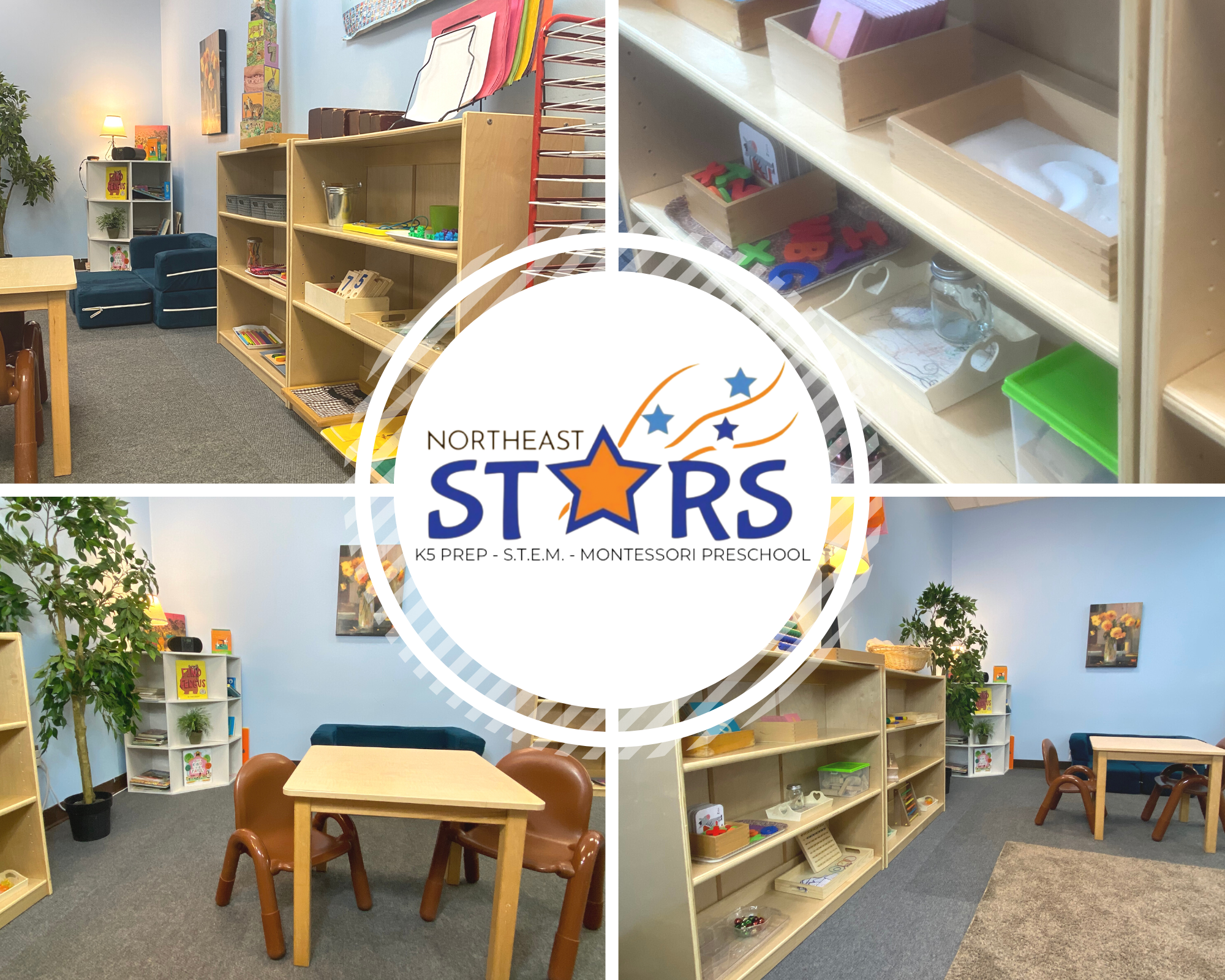
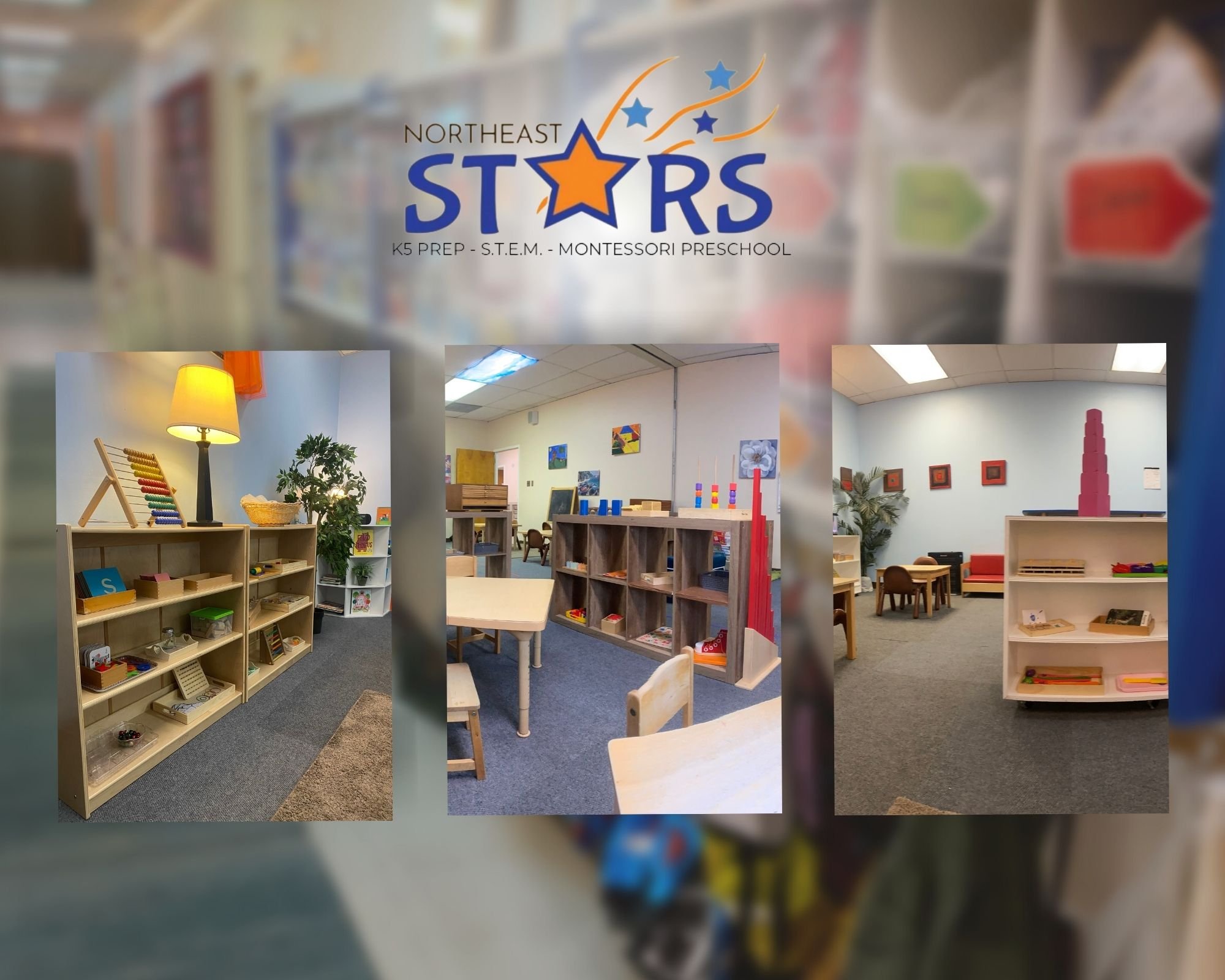
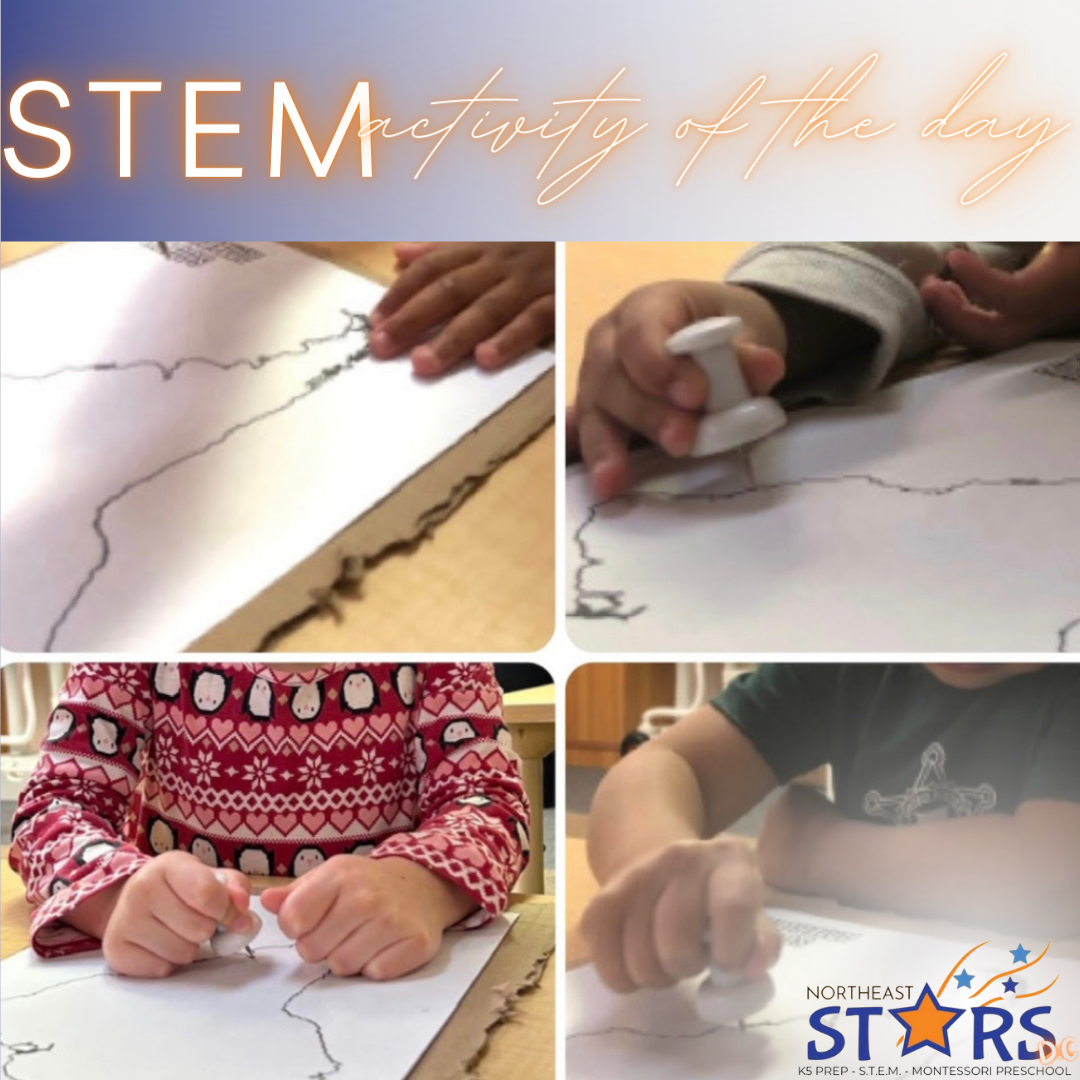
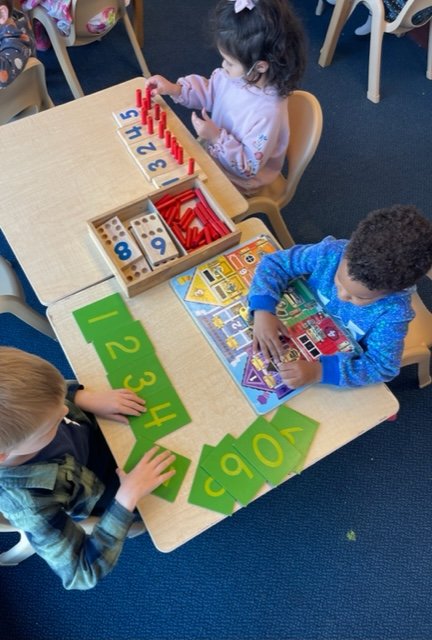
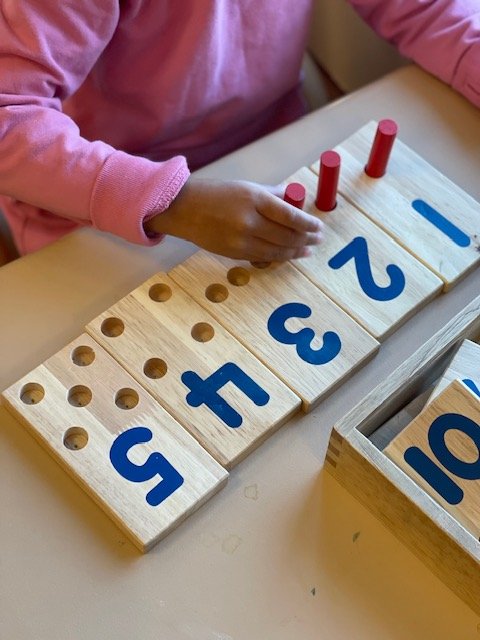
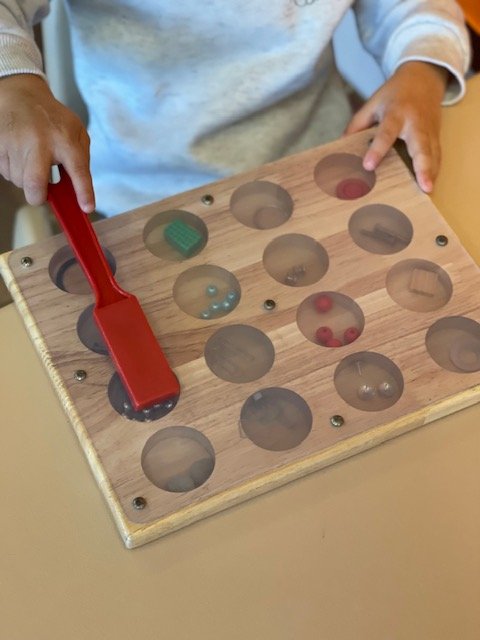
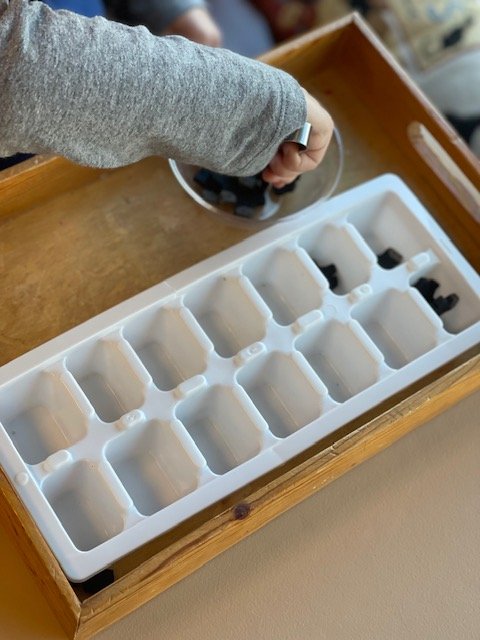
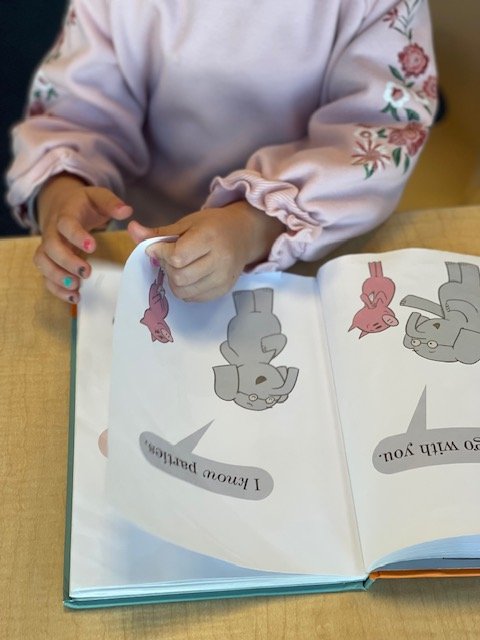
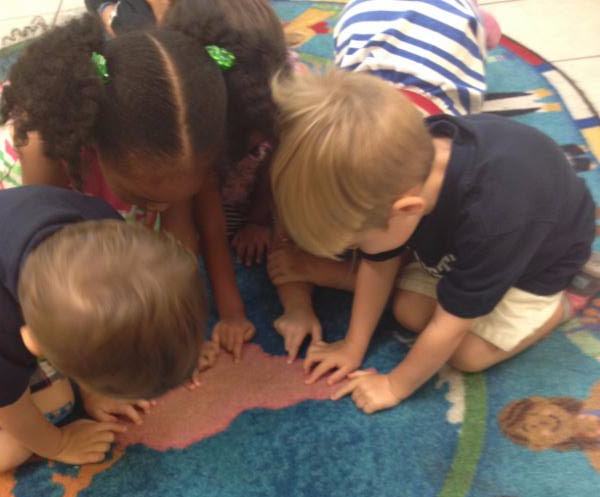
Cultivate boundless energy and curiosity. Our classrooms encourage exploration with sensorial materials—objects to touch, hold, move, spin, and smell—and everything is sized to fit the child’s hand. The curriculum is rich and includes practical life skills, language, math, geography, science, nature, art, and music. And every lesson stresses the use of grace and courtesy.


4 key benefits of the capstone year for 4 and 5-year olds


Maximize foundational learning. Exploring, cooperating, and learning in this environment creates secure, confident children. The full benefit of the educational program accrues in the third year. The younger students benefit from the gift of the leadership, mentoring, and instruction from the older children who have completed the first 2 years of the Montessori 3-year cycle.


Strengthen community. The 3-year cycle provides a close community. Imagine the comfort of a 3-year old surrounded by older friends, the pride of a 4-year old celebrated by peers, and the confidence of a 5-year old who leads the younger students in important foundational building lessons.


Invaluable teacher student relationship. Having 3 years with each child enables teachers to effectively leverage a child’s strengths to create a baseline of success, instead of focusing on weaknesses which children view as failure. Since children do not progress at the same pace, being with a child for 3 years allows teachers to focus on where each child is regardless of where the whole class is. This creates an environment where your child receives individualized lessons.


Credentialed educators. Our teachers are college educated and must participate in training specific to Montessori methodology and application. Our professional development requirements keep our curriculum, techniques and materials current and relevant. Not only does this provide more education than most preschool teachers, our teachers have a stronger understanding of this developmental stage.